Learning Outcomes in Listing:
i. Identify and describe the functions of blood components.
ii. Provide a detailed account of plasma, including its composition and role.
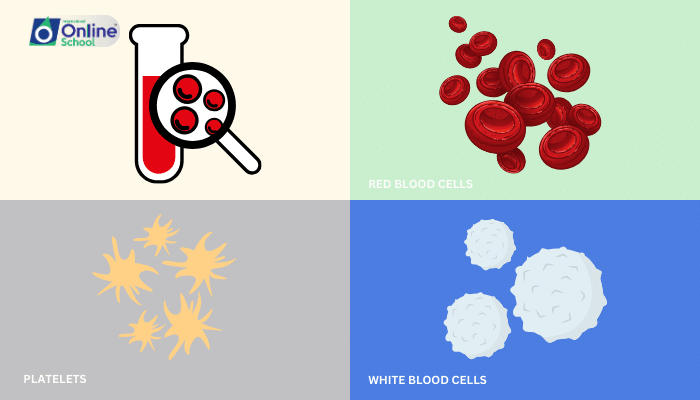
iii. Describe the structure and function of red blood cells, platelets, and white blood cells.
iv. Distinguish between the different types of white blood cells and their specific functions.
Learning Outcomes Described:
Students will learn about the critical components of blood and their respective roles in maintaining bodily functions. They will delve into the composition and purpose of plasma, the liquid matrix of blood. The lesson will also cover the specialized duties of red blood cells, platelets, and white blood cells, including the various white blood cell types, each with its unique function in the immune response.
Summary of Lesson:
Blood, a fundamental fluid of life, is composed of various elements, each with specific functions. This lesson will explore the versatile roles of these components, with a focus on the plasma's role as a transport medium and the crucial functions of blood cells in oxygen transport, clotting, and defense mechanisms.
i. Functions of Blood Components:
Overview of Blood Functions:
Discussing the role of blood in transport, regulation, protection, and wound healing.
ii. Detailed Description of Plasma:
Plasma Composition:
Elaborating on plasma's makeup, including water, electrolytes, nutrients, and proteins.
Plasma Functions:
Explaining plasma's role in maintaining blood pressure and volume, and transporting substances.
iii. Blood Cells and Cell-Like Bodies:
Red Blood Cells (Erythrocytes):
Detailing the structure, hemoglobin content, and role in oxygen transport.
Platelets (Thrombocytes):
Describing the formation of platelets and their function in blood clotting.
White Blood Cells (Leukocytes):
Overview of the immune system's defenders and their varied roles.
iv. Types of White Blood Cells:
Neutrophils, Lymphocytes, Monocytes, Eosinophils, and Basophils:
Differentiating between the types based on structure, function, and role in immune response.
List of Important Questions for Self-Study:
i. What are the main components of blood and their functions?
ii. How does plasma contribute to the overall function of blood?
iii. What is the role of hemoglobin in red blood cells?
iv. How do platelets aid in the clotting process?
v. What distinguishes the different types of white blood cells from each other?
Important Terminologies Used in Lesson:
i. Plasma: The liquid component of blood that carries cells and nutrients throughout the body.
ii. Red Blood Cells: Blood cells responsible for carrying oxygen from the lungs to the body's tissues.
iii. Platelets: Small blood components that help in clot formation to stop bleeding.
iv. White Blood Cells: Cells of the immune system involved in protecting the body against infectious disease and foreign invaders.
v. Hemoglobin: A protein in red blood cells that carries oxygen.
